Arizona Renters’ Rights When Your AC Breaks During Extreme Heat
Arizona summers are known for intense triple-digit temperatures, making air conditioning more than just a household convenience.
When an AC system stops working, indoor conditions can quickly become dangerous, especially for children, older adults, and people with existing health conditions. Many renters are unaware that Arizona law offers legal protections in these situations.
Understanding those rights, documenting the issue, and following the correct process can make a significant difference if repairs are delayed.
Arizona Law Treats AC Failures Seriously
Arizona law requires landlords to maintain essential services that affect a tenant’s health and safety. During periods of extreme heat, a non-working air conditioner may qualify as an emergency under the Arizona Residential Landlord and Tenant Act.
The issue gained renewed attention after the Arizona Attorney General became involved in a Glendale apartment complex case, as reported by Arizona’s Family. Rental assistance professionals and legal experts explained that when outdoor temperatures exceed 100 degrees, landlords generally have five days to repair a broken air conditioning system. If temperatures are around 85 degrees, the standard repair period is typically 10 days.
Because every situation can vary, tenants should act immediately instead of waiting for conditions to improve.
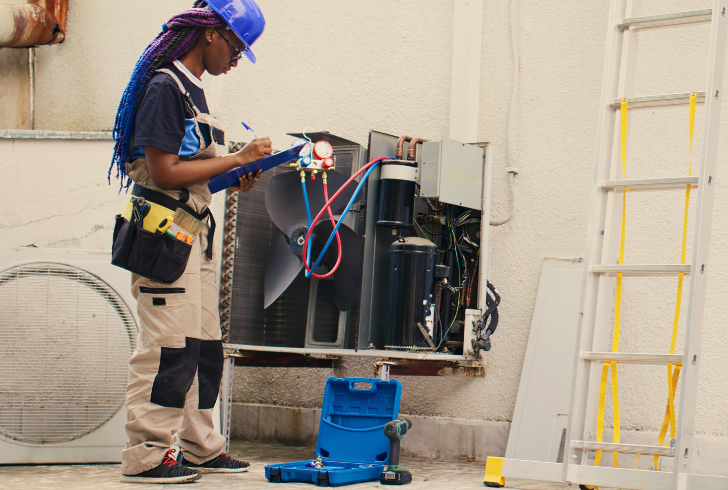
Magnific | Arizona law mandates that landlords fix non-working AC immediately during extreme heat conditions.
Keep Records From the Start
Proper documentation can strengthen a renter’s position if repairs are delayed. Ernesto Lopez of the City of Phoenix Landlord and Tenant Program advised Arizona’s Family that records should be collected as soon as the AC stops working.
Helpful documentation includes:
1. A copy of the lease agreement
2. Photos or screenshots showing the thermostat temperature
3. Written communication exchanged with the landlord
4. A written repair request with proof that it was delivered
Lopez emphasized the importance of verifying that written notice reaches the landlord.
“The best documentation to have is a piece of paper and a witness signature on that piece of paper,” Lopez said.
Keeping organized records may become valuable if legal action is needed later.
Legal Options Available to Tenants
A prolonged AC outage during extreme heat can create health and safety concerns. Scottsdale attorney Matthew Bartley told Arizona’s Family that an air conditioning failure in triple-digit temperatures qualifies as an emergency under Arizona’s Residential Landlord and Tenant Act.
Bartley explained that renters have several legal options if essential services are not restored.
“They’re able to take matters into their own hands. They’re able to reach out to an attorney. They’re able to file the complaints,” Bartley said.
If repairs continue to be ignored, Bartley noted that a landlord may have violated the lease. He added that unresolved repair issues could also mean “the landlord would then have breached the implied warranty of habitability.” In some situations, tenants may have legal grounds to move out after following the proper legal process.
What Renters Should Avoid

Magnific | Arizona renters can seek legal help if essential repairs remain unfinished during extreme heat.
Although delayed repairs can be frustrating, experts advise renters not to stop paying rent on their own. According to Ernesto Lopez, repair disputes and rent obligations are treated separately under Arizona law.
“There is a clear separation between repairs and the financial responsibility of rent,” Lopez said.
Instead of withholding payments, renters may be able to seek reimbursement or other legal remedies later while continuing to meet their rental obligations.
Tenants who cannot afford legal representation may qualify for assistance through community legal aid organizations. Complaints can also be filed with the Arizona Attorney General’s Office when appropriate.
Air conditioning failures during Arizona’s hottest months can become a serious health concern within hours. State law provides protections for renters, but those rights are often tied to timely written notice, thorough documentation, and compliance with legal procedures.
Keeping detailed records, following the required notification process, and seeking legal assistance when necessary can help tenants protect both their safety and their legal rights if essential repairs are not made.