China Raises Red Flag Over Surge in Humanoid Robot Startups
China’s humanoid robot rush has captured global attention, and the surge is now drawing caution from the country’s top economic planners.
The National Development and Reform Commission (NDRC) issued an unusual warning about the possibility of a bubble forming in one of China’s most publicized tech arenas. This alert arrives during a period when investor enthusiasm, social-media visibility, and rapid product launches have created a crowded field of more than 150 companies producing remarkably similar machines.
NDRC spokeswoman Li Chao highlighted this concern during a briefing in Beijing, noting that unchecked expansion could dilute genuine research efforts. The agency signaled that the industry must guard against repeating patterns seen in bike-sharing, semiconductors, and other sectors that saw waves of investment before undergoing major shakeouts.
A Fast-Building Sector Drawing Attention
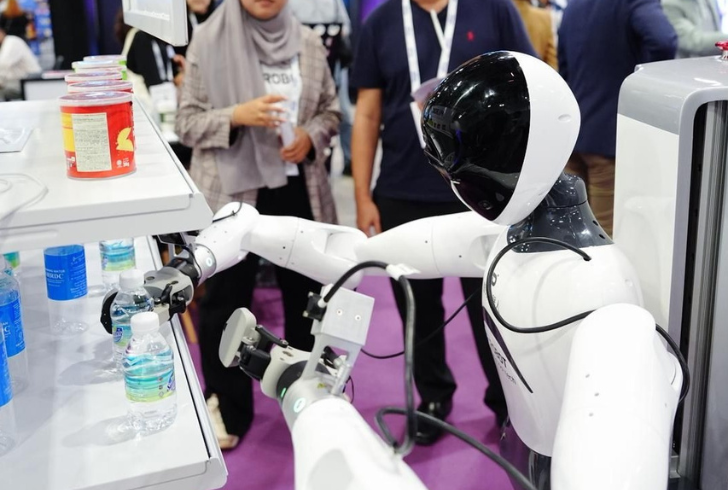
Instagram | agibot_ | Startups like AgiBot and Galbot showcase China’s tech-driven momentum in humanoid robotics.
Humanoid robots moved into the national spotlight after Unitree’s dancing droids captivated viewers during the Spring Festival Gala earlier this year. Their popularity spread across platforms as clips showed robots sprinting in marathons, sparring in kickboxing sessions, and preparing coffee. This wave positioned the field as one of the six new growth drivers identified in the Communist Party’s blueprint for China’s development plan through 2030.
Unitree founder Wang Xingxing’s front-row seat at a February meeting with leaders including Jack Ma and President Xi Jinping underscored how tightly the sector is tied to China’s broader tech ambitions. Startups such as AgiBot and Galbot have pushed the momentum forward with increasingly visible demonstrations shared across social channels.
Rising Interest From Investors
The investor response has been swift. The Solactive China Humanoid Robotics Index, which tracks publicly traded firms connected to the field, has climbed nearly 30% this year. Shares of UBTech Robotics Corp., a leading name that may benefit from consolidation, rose more than 4% on Friday.
Citigroup Inc. estimates the market could reach $7 trillion by 2050, although widespread adoption in homes and factories is expected to take time. This long horizon adds another layer to the NDRC’s concern about inflated expectations and rushed investment.
Government Measures Taking Shape
Li Chao emphasized that authorities plan to speed up the development of mechanisms guiding market entry and exit to preserve healthy competition. The government will intensify work on core technologies and expand facilities for training and testing. The goal is to support genuine innovation rather than short-term duplication.
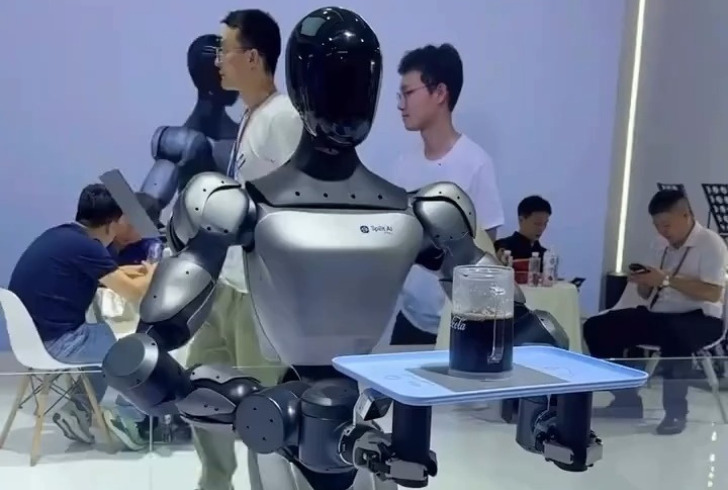
Instagram | jobtorob | Market excitement for humanoid robots is high, but practical deployment and regulation require time.
Key areas the government aims to strengthen include:
1. Improving access to testing and evaluation platforms
2. Aligning regional resources to avoid redundant projects
3. Encouraging shared research to help companies apply humanoid robots in practical environments
These steps reflect a desire to guide the sector toward sustainable progress rather than unchecked expansion.
Where the Industry Stands Now
Market enthusiasm is unmistakable, yet progress still faces practical hurdles. Widespread use of humanoid robots in homes or factories will take time, even with strong visibility and national interest. Regulators are focused on guiding growth at a manageable pace to avoid excess pressure on the industry and keep development centered on real technological progress.
China’s caution marks an important moment for the humanoid robotics field. Fast expansion and intense investor attention have created both opportunity and exposure. By tightening standards, improving research capabilities, and shaping clearer market pathways, the government is aiming for a steadier trajectory.
With public fascination rising and substantial capital entering the space, China is working to align ambition with sustainable progress.