Former U.S. Vice President Dick Cheney Passes Away at 84
Richard B. Cheney—long viewed as one of the most consequential vice presidents in American history—has died at 84. He passed on November 3, 2025, following complications from pneumonia along with cardiac and vascular disease. His wife of 61 years, Lynne, and their daughters, Liz and Mary, were with him in his final hours.
A Lifelong Career in Public Service
Cheney spent nearly forty years shaping the direction of U.S. policy.
- He became the youngest White House Chief of Staff while serving under President Gerald Ford.
- Represented Wyoming in Congress, working closely with House leadership and President Ronald Reagan.
- Led the Pentagon as Secretary of Defense for President George H.W. Bush.
- Returned to the White House as Vice President for two terms under President George W. Bush.
- Beyond government, Cheney also headed Halliburton, the Texas-based energy corporation with operations around the world.
Leadership During Crisis
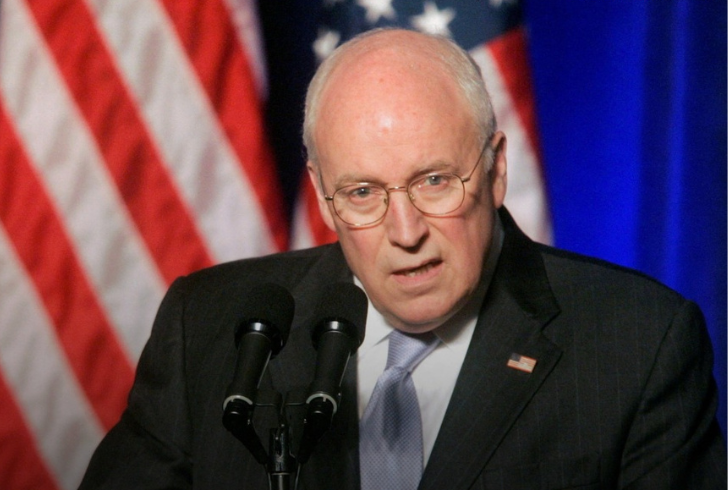
Instagram | indiatoday | During 9/11, Vice President Cheney led crisis response efforts from the PEOC when Bush was out of D.C.
Cheney played a critical role during the September 11, 2001, attacks, stepping in when the nation faced uncertainty. As President George W. Bush was out of Washington, Cheney coordinated response efforts from the Presidential Emergency Operations Center.
In his memoir, “In My Time,” Cheney recounted:
“When the president came on the line, I told him that the Pentagon had been hit and urged him to stay away from Washington. The city was under attack, and the White House was a target.”
He stayed awake through the night, analyzing the events and planning a new security strategy. Cheney described the challenges of the post-9/11 era as a war not between nations but against terrorists operating in the shadows, willing to use any means to attack the U.S.
Influence on U.S. Foreign Policy
Cheney’s influence extended beyond crisis management. As vice president, he was closely associated with shaping U.S. strategy in Iraq. John Hulsman, a research fellow at The Heritage Foundation, described Cheney’s impact in 2005, saying:
“His power is unparalleled in the history of the republic, frankly, for that position.”
His approach combined strategic planning with decisive action, leaving a lasting imprint on American foreign policy and national security.
Personal Life and Legacy
Away from the political arena, Cheney grounded himself in family. His marriage to Lynne spanned over six decades, and he remained deeply involved in the lives of their daughters, Liz and Mary. Those who knew him often pointed to that balance between demanding work and steady family ties.
Cheney’s career, for better or worse, shaped major turning points in modern American policy. His decisions and leadership during critical moments secured him a lasting place in the nation’s historical record—one that will continue to spark discussion for years to come.