How Billionaires Raise Kids Without Entitlement or “Rich-Kid Syndrome”
Extreme wealth often raises a quiet concern for many high-profile families: how to raise children who understand effort, discipline, and value when money is never a limitation. For several billionaire parents, the focus is not luxury or comfort, but keeping their children connected to real-world expectations.
The idea of “rich-kid syndrome” has shaped their parenting choices, pushing them toward structure, responsibility, and restraint.
Instead of handing over endless privilege, these parents introduce rules that feel surprisingly ordinary. Chores, limits on technology, modest lifestyles, and delayed access to wealth are part of daily life in their households.
Through interviews, podcasts, and public discussions, figures like Mark Zuckerberg, Warren Buffett, Bill Gates, and Elon Musk have shared how they approach parenting in a way that prioritizes discipline over excess.
Mark Zuckerberg
Meta CEO Mark Zuckerberg and his wife Dr. Priscilla Chan, with a combined wealth exceeding $100 billion, keep their family life intentionally simple. Despite their financial status, their three daughters are raised with structure that mirrors everyday households.
During an appearance on “The Tim Ferriss Show,” Zuckerberg explained that wealth does not remove responsibility at home. His children are expected to complete regular chores such as washing dishes, cleaning their rooms, and helping with household tasks. These routines are not optional; they are part of daily life.
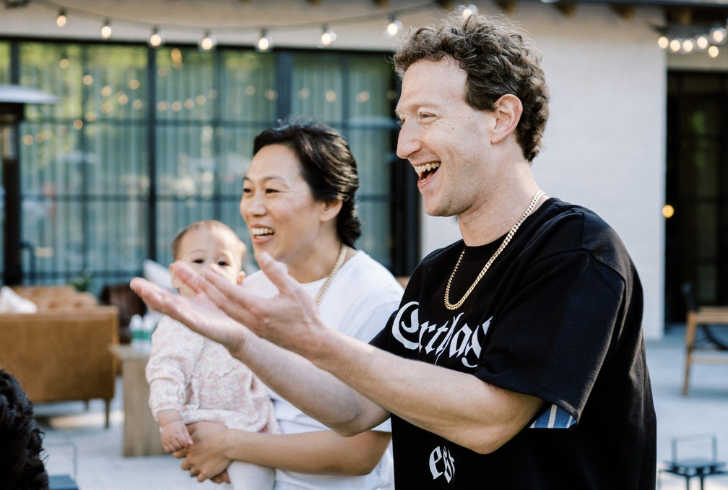
Instagram | priscillachan | Mark Zuckerberg and Priscilla Chan raise their three daughters with a grounded, normal routine.
A key part of their parenting approach includes exposing their children to the working world. The couple often brings their daughters to their workplaces so they can observe how ideas turn into projects and how effort drives outcomes. This exposure is meant to build an early understanding that success is tied to consistent work, not status or background.
By blending home responsibilities with real-world exposure, the Zuckerberg household keeps the focus on effort-driven growth rather than comfort-based entitlement.
Warren Buffett
Warren Buffett has long shared a clear philosophy on inheritance: children should receive enough to do anything, but not enough to do nothing. This principle has guided how he raised his family and structured his legacy.
His son, Peter Buffett, revealed in a 2013 interview at the Forbes Summit on Philanthropy that he did not realize his father was a billionaire until his 20s, when he saw Buffett’s name on a wealth list. The children grew up using public transport and attending regular schools, without separation from everyday life.
A well-known family story featured in the 2017 HBO documentary “Becoming Warren Buffett” highlights this mindset. Buffett’s daughter, Susan Buffett, once requested a $41,000 loan to remodel her kitchen after having a baby. Instead of offering the money directly, Buffett advised her to approach a bank like any other borrower. The decision initially surprised her, but it became a defining lesson in independence.
Buffett’s approach is rooted in the belief that financial struggle, when appropriate, builds resilience. Easy access to money, in his view, weakens problem-solving skills and personal accountability.
Elon Musk
Elon Musk approaches parenting through the lens of pressure and drive. The Tesla and SpaceX CEO has often stated that comfort can weaken ambition, especially when introduced too early in life.
During Tesla’s 2023 AI Day and later on “The Joe Rogan Experience,” Musk explained that children need adversity to develop what he described as an “incentive structure” for achievement. Without challenges, motivation weakens, and long-term drive becomes harder to build.
Musk often refers to his early life experiences, including student debt, sleeping on an office couch, and the constant risk of failure while building his first companies. These hardships, he has said, shaped his resilience and focus.
At home, this philosophy translates into firm boundaries. His children are intentionally kept away from excessive comfort, with routines that encourage effort and discipline. The goal is to ensure they understand that success is not inherited but earned through sustained work and persistence.
Bill Gates
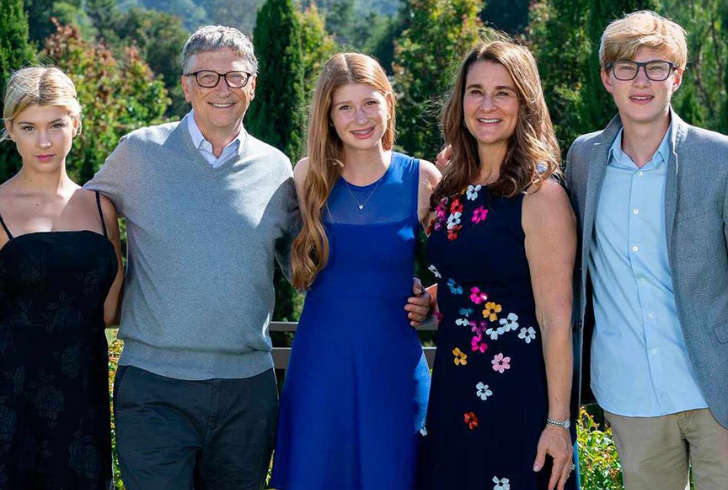
Instagram | people | Despite living in a massive tech-filled mansion, the Gates children were raised with strict screen-time limits.
Bill Gates and Melinda French Gates raised their three children in a large, tech-filled home, yet daily life was shaped by strict boundaries rather than convenience. Despite the environment, screens and devices were carefully managed.
In a 2017 interview with “The Mirror,” Gates shared that smartphones were not allowed at the dinner table. His children also had to wait until age 14 before receiving their own phones. These rules were designed to encourage presence during family time and reduce dependency on technology.
Responsibility was also built through shared chores. The Gates children participated in household tasks such as washing dishes together, reinforcing teamwork and routine accountability.
Financial inheritance was another area shaped by intentional limits. Through participation in the Giving Pledge, Gates committed to giving away most of his wealth. In a 2025 appearance on Raj Shamani’s podcast “Figuring Out,” he explained that his children will inherit less than 1% of his total fortune. Earlier estimates suggested around $10 million each, but his updated stance emphasizes independence over legacy wealth.
His reasoning is direct: large inheritance, in his view, can reduce motivation and limit personal growth opportunities.
Across different approaches, a shared pattern stands out among billionaire families: wealth is not treated as a shortcut for their children’s futures. Each strategy—whether assigning chores, limiting inheritance, setting boundaries, or emphasizing adversity—reflects a focus on discipline and independence.
The underlying message is consistent. Financial privilege exists, but it does not replace responsibility, effort, or personal growth. Children are encouraged to build their own identity beyond family wealth, ensuring that success is shaped by action rather than inheritance.