How Robots Are Creating a New Human-Powered Gig Economy
The idea of humanoid robots stepping into everyday workplaces is no longer distant speculation. Massive investments are pushing this vision closer to reality, yet the progress depends on something surprisingly human—manual effort.
Behind every polished robotic movement lies a growing workforce of gig workers quietly recording and repeating daily actions. This hidden layer of labor is not only training machines but also reshaping how gig work itself is defined.
Billions of dollars are flowing into the development of AI-powered humanoid robots designed for factories, offices, and even homes. Tech leaders are placing bold bets on this future. Elon Musk, for example, has tied much of Tesla’s long-term direction to humanoid robotics, signaling strong confidence in its potential.
These systems rely heavily on training data before they can perform real-world tasks. Unlike text-based AI models, robots need visual and physical demonstrations of human actions. That requirement has created an entirely new demand for data collection, one that cannot be fulfilled by scraping the internet.
The Rise of Human-Powered Data Collection
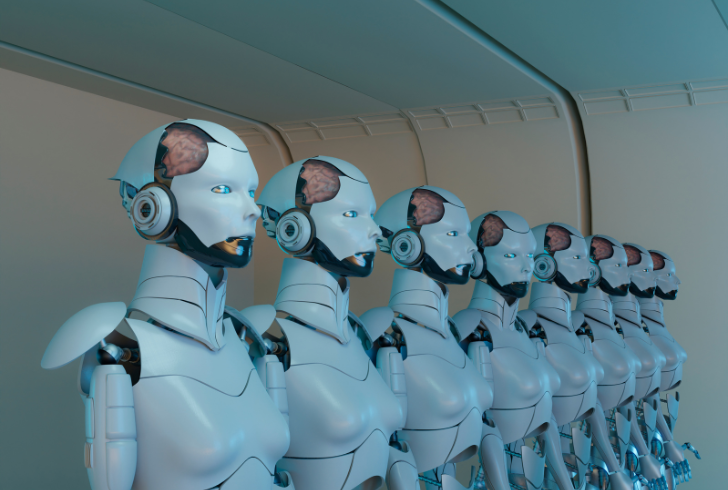
Freepik | The rise of humanoid robots relies on a silent workforce of gig workers training them through manual repetition.
A closer look at this process reveals a global network of gig workers performing repetitive tasks on camera. A report from MIT Technology Review highlights the experience of “Zeus,” a Nigerian medical student working with Micro1, a company based in Palo Alto.
Zeus spends his spare time recording videos of himself completing everyday activities. These include making a bed, doing laundry, cooking meals, and handling other routine chores. Each task is repeated carefully to provide consistent training material for robots.
He earns about $15 per hour, a rate that fits well within his local economy. Still, the nature of the work feels monotonous. Zeus described it clearly: “I’m the kind of person that requires … a technical job that requires me to think.” His experience reflects a broader reality of gig work—steady income paired with repetitive responsibilities.
Micro1 has reportedly hired thousands of workers worldwide to generate similar datasets. The scale highlights how essential human input remains in building intelligent machines.
The “100,000-Year Problem” in Robotics
The demand for training data in robotics is so vast that experts have given it a striking name: the “100,000-year problem.” This term, popularized by UC Berkeley professor Ken Goldberg, refers to the estimated time it would take to gather enough real-world data to train a general-purpose robot.
Unlike language models that rely on massive online datasets, robotics lacks a ready-made source of structured, usable information. Every movement must be captured, labeled, and refined. This gap explains why human-recorded data has become so valuable.
The challenge also points to a key difference between digital intelligence and physical intelligence. While software can learn from text and images already available online, robots must learn by observing human behavior in controlled, repeatable ways.
Gig Platforms Shift Toward Robotics
The growing need for training data has not gone unnoticed by gig economy platforms. Instawork, a San Francisco-based staffing app, has identified robotics as a new opportunity. Traditionally known for supplying workers to hotels, warehouses, and event venues, the platform is now adapting to meet the needs of tech companies.
CEO Sumir Meghani acknowledged the shift, stating, “With most great things that happen in business, it kind of happens organically,” followed by the decision to actively pursue the trend.
Instawork users are now taking on tasks similar to those described in the MIT report. These include recording daily routines and even remotely operating robots. The platform has also introduced a robotics certification program, which reached around 20,000 participants within just a few weeks. This initiative prepares workers to handle remote robotic systems and assist with maintenance tasks.
A Changing Gig Economy
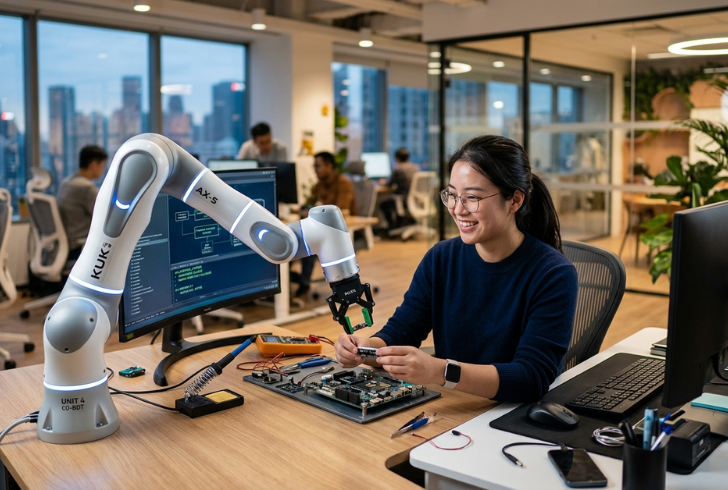
Gemini AI | The workforce evolves as humans stay essential in powering and improving advanced technologies.
This emerging trend is beginning to influence the broader gig economy. As companies offer competitive pay for simple yet repetitive tasks like filming household chores, traditional gig roles may face new competition.
Businesses that rely on gig workers could find it harder to attract talent if robotics-related tasks continue to grow in demand. The shift may gradually redirect the workforce toward data generation roles, especially in regions where such opportunities provide stable income.
At the same time, the work raises questions about job satisfaction. While the pay can be appealing, the repetitive nature of the tasks may not suit everyone. This balance between financial benefit and engagement will likely shape how long workers stay in these roles.
Preparing for a Robot-Integrated Future
The momentum behind humanoid robotics suggests that businesses may soon encounter these systems in practical settings, with reports indicating that some companies could begin integration sooner than expected.
Even if widespread adoption takes time, early planning can help organizations stay prepared. Understanding how robots are trained and the role of human input provides useful insight into how these systems will operate in real environments.
The progress of humanoid robots still depends heavily on human effort, especially in the early stages. Gig workers are currently filling a critical gap by supplying real-world data that robots cannot yet generate on their own.
As investment in robotics grows, this relationship between humans and machines is expected to deepen. At the same time, the gig economy is shifting—what once served short-term labor needs is increasingly becoming part of AI development.
As a result, companies that rely on gig workers may need to rethink hiring strategies, as demand for training data could intensify competition for flexible labor. This is contributing to a new kind of workforce where everyday human activity helps shape the future of intelligent systems.