Meta’s Two Outages in 11 Days Exposed a Major Business Risk
A few hours of downtime may not sound like a major business problem, but Meta’s unexpected service disruptions in June told a different story. Two separate outages, just 11 days apart, interrupted Facebook, Instagram, and key advertising tools without advance notice or a clear timeline for recovery.
For businesses relying on Meta to reach customers, the incidents exposed a weakness that often stays hidden until something goes wrong.
Two Outages Raised Bigger Questions
The first disruption began on June 12 when Meta experienced issues within its authentication systems. As the outage spread, Downdetector recorded more than 100,000 reports of Facebook-related problems, while Instagram users reported widespread access issues as well.
At the same time, Meta’s Business Status page showed major disruptions across Ads Creation and Editing, Ads Reporting, and Ads Delivery. Advertisers were unable to launch campaigns, pause active promotions, edit ads, or review campaign performance. Businesses had little choice but to wait because Meta provided no explanation for the outage and no estimated restoration time.
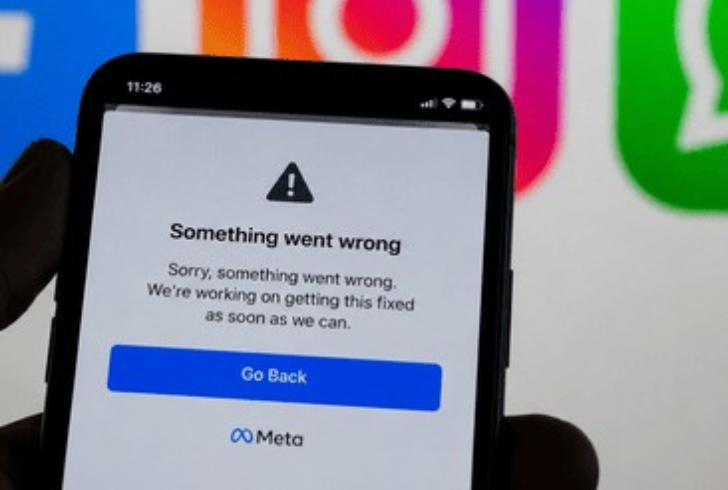
Instagram | @thevoiceofsikkim | Facebook and Instagram went down on June 12, leaving over 100,000 users locked out and complaining.
The situation repeated itself just 11 days later. On June 23, Newsweek confirmed another major outage affecting Facebook, Instagram, and Ads Manager. Meta acknowledged that engineers were working to fix the issue but did not disclose the cause. The company also does not provide advertisers with a service-level agreement (SLA) guaranteeing platform uptime.
Two major outages within less than two weeks showed that platform interruptions are not isolated incidents. They can happen without warning and directly affect businesses that depend heavily on one advertising ecosystem.
What the Downtime Really Revealed
The temporary loss of ad delivery was only part of the problem. The bigger issue involved customer relationships and business stability.
Businesses that rely almost entirely on Meta advertising often discover that customer acquisition slows immediately when the platform becomes unavailable. That creates an important question: does the business own its customer relationships, or does the platform control access to those customers?
Several indicators help answer that question. Customers should recognize a brand beyond a single advertisement. They should remember why they chose the company, return without constant discounts, and identify its content even without logos or branding. When those connections are missing, the business becomes tied to the platform instead of building long-term customer loyalty.
What Stronger Businesses Have in Common
Companies that handled June’s disruptions with fewer problems generally invested in multiple customer acquisition channels long before the outages occurred. Their revenue did not rely on a single platform staying online.
Several areas helped reduce their exposure:
1. Strong branded searches, where customers searched directly for the company instead of generic product categories.
2. Direct website visits from customers already familiar with the business.
3. Owned communication channels such as email lists, SMS marketing, and direct mail databases.
4. Referral networks and active customer communities that continued generating new business independently.
These assets cannot be created during a platform outage. They require consistent investment over time through customer retention, clear brand positioning, and ongoing relationship building.
Why Paid Social Alone Creates Risk

Gemini AI | Businesses can build steady sales by growing email lists, loyal customers, and direct website traffic instead of relying on one platform.
Paid social advertising remains an effective customer acquisition channel, but depending on it alone creates unnecessary exposure. Many companies spend heavily to attract first-time buyers, only to discover those customers rarely return without another paid campaign or promotional offer.
Building repeat business reduces that dependency. Email subscribers, loyal customers, branded searches, and organic referrals continue delivering value regardless of temporary platform disruptions. Those channels remain under the company’s control instead of depending on the availability of third-party systems.
The June outages demonstrated how quickly paid acquisition can stop when platform services become unavailable.
Prepare for the Next Disruption
Meta’s services eventually returned to normal after both outages, but the underlying business risk remains unchanged. Platform failures may last only a few hours, yet they reveal how vulnerable customer acquisition strategies can become when they depend on one company.
Every business should ask whether operations could continue if Meta’s advertising tools became unavailable for 30 days. The answer often reveals whether customer relationships are built on lasting brand value or temporary access through paid advertising.
The June outages served as a reminder that digital platforms, regardless of their size, cannot guarantee uninterrupted service. Businesses with diversified traffic sources, loyal customers, and strong owned marketing channels experienced far less disruption than those relying almost entirely on Meta advertising.
Preparing for future interruptions is less about predicting the next outage and more about reducing dependence on a single platform. Businesses that build direct customer connections today are far better positioned when unexpected disruptions happen tomorrow.