How to Rebuild a Small Business After a Disaster
Rebuilding a small business after a disaster rarely follows a straight line. It tests finances, patience, and emotional strength all at once. The story of Sweet Grace Heavenly Cakes in Lawrence, Massachusetts, shows what recovery actually looks like when success, loss, and persistence collide. This is not a tale of overnight recovery. It is a clear-eyed look at what it takes to reopen the doors when everything familiar has been taken away.
On December 4, 2025, Danaris Mazara walked back into Sweet Grace Heavenly Cakes for the first time in two years and eight months. The rebuilt bakery felt almost unreal. Visitors described it as dollhouse-like—clean, bright, and far removed from the smoke-filled shell left behind by a fire in April 2023.
Just six days later, Mazara’s mother passed away.
“I’m sweet and sour at the same time,” Mazara said, describing the mix of pride and grief. The reopening came with long hours. Twelve-hour workdays returned, the same pace she kept when Sweet Grace first began in 2008.
That year, the business started with $37 in food stamps used to buy ingredients for homemade flan. Those desserts were sold out of a Samsung break room, where Mazara worked at the time. Word spread quickly through the Dominican community in Lawrence and beyond, leading to a storefront on Essex Street.
Sweet Grace was later featured in the book “The New Builders,” co-written by Seth Levine, as an example of how immigrant-owned businesses strengthen the U.S. economy. Immigrants start businesses at twice the rate of native-born Americans, yet that momentum does not shield owners from disaster.
When Fire Erases Years of Progress
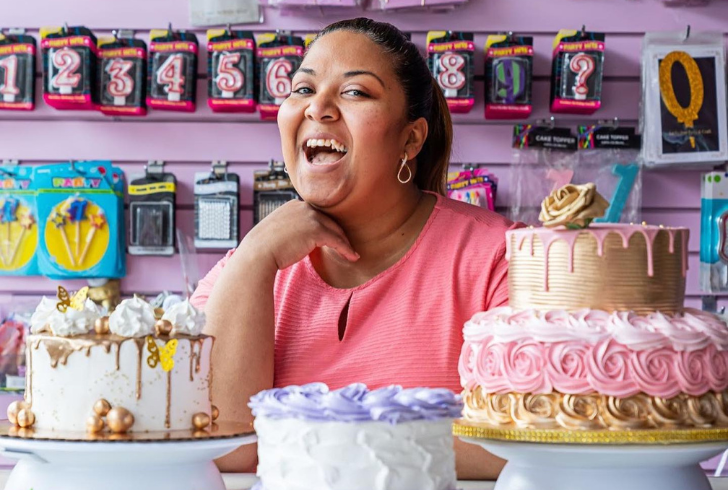
Instagram | thenewbuildersbook | Sweet Grace’s journey shows that true recovery requires more than just money—it takes grit.
The 2023 fire began in the basement of a neighboring liquor store. While Mazara had insurance for both property damage and business interruption, both businesses shared the same insurer. That detail changed everything.
The insurance claim resulted in a $500,000 payout, but legal action was not possible. Cleanup costs alone totaled $140,000, and chemical exposure from firefighting efforts left the structure unsafe, requiring full demolition.
Recovery odds were already stacked against the business. The Small Business Administration reports that more than 90% of businesses shut down within two years of a major disaster. Danaris Mazara and her husband, Andres, were working to avoid becoming part of that statistic.
While insurance coverage appeared sufficient at first, the reality proved different. The settlement covered only the earliest recovery expenses and fell short of supporting a full rebuild. Starting over meant securing new financing in a system that rarely accommodates small businesses pursuing mixed-use development.
A Bigger Vision, A Harder Loan
Lawrence encourages mixed-use buildings, combining retail with housing. Mazara chose that route to support long-term stability for both the business and her family. The plan included a bakery on the ground floor and four apartments above it.
That decision expanded the scope of the project and complicated financing.
Frank Carvalho, a longtime advisor and Brazilian immigrant who supports small businesses through nonprofit work, stepped in again. He had helped launch the original storefront years earlier and stayed closely involved throughout the rebuilding process.
Mixed-use projects face resistance across the small business lending system:
1. Many banks avoid lending on mixed-use properties
2. MassDevelopment could not use federal funds due to program limits
3. Federal rules exclude mixed-use projects from certain funding pools
The solution required a patchwork approach. A community development financial institution invested in the residential portion, while a local bank handled the rest. Even then, the deal came at a personal cost.
Personal Risk Becomes the Only Option
To keep the project alive, the Mazaras put their home up as collateral and cashed in life insurance policies. There were a few alternatives.
“I didn’t have options to come back. For that reason, I had to accept most of the agreements,” Mazara explained.
The final loan from Enterprise Bank closed in December 2024, totaling $2.8 million with monthly payments set at $8,000. Following the loan approval, construction and rebuilding continued for another year before the project reached completion.
Bureaucracy and Quiet Disappointment
Financial hurdles were only part of the struggle. Emotional strain and administrative delays added constant pressure.
Support from local organizations was uneven. While some groups had celebrated Sweet Grace’s early success, meaningful help during recovery was limited. Two GoFundMe campaigns raised roughly $4,500, a small amount compared to the debt involved.
The mayor’s office promised $9,000 in assistance. Paperwork was completed in October. By early 2025, the funds had not arrived. The explanation remained the same: delays and waiting.
Meanwhile, the city’s changes affected daily operations. New parking meters and bike lanes on the main street removed six parking spots. Customer access suffered. At the same time, other developers received tax breaks and low-cost loans for apartment-only projects, while Sweet Grace’s mixed-use building was ruled ineligible.
One local developer suggested selling the property instead of rebuilding. The response was direct and firm. Selling was never the goal.
A Bakery Rebuilt for Today’s Market
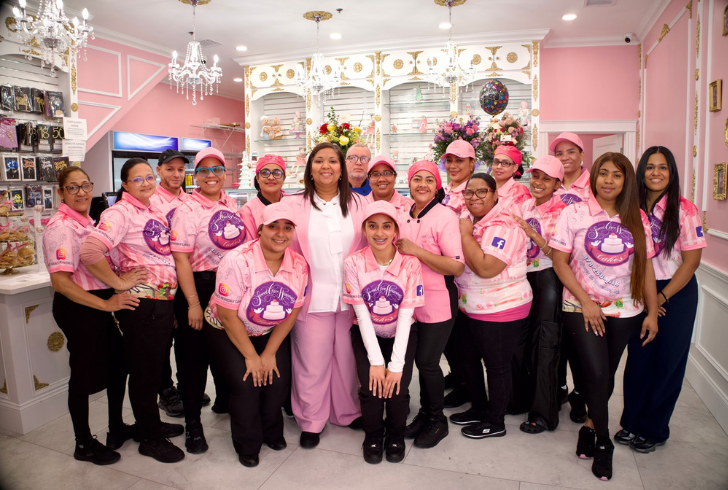
Instagram | sweetgraceheavenlycakes | Sweet Grace has modernized its workspace to deliver high-quality event cakes and trendy new desserts.
The new Sweet Grace Heavenly Cakes is larger, more efficient, and better equipped.
Inside the bakery, the space has been redesigned to support larger production needs, with an expanded workspace that allows staff to work efficiently. Professional-grade equipment now anchors daily operations, helping maintain consistency and quality.
Macarons are prepared in carefully measured batches, while the signature cakes that built the bakery’s reputation—created for weddings, quinceañeras, and birthdays—remain a central focus of production.
The menu now includes Dubai chocolate cookies and New York–style cookies designed for a more competitive dessert market.
Seventeen employees work at Sweet Grace today. Most returned after the fire. Many are women who rely on the income to support families locally and abroad. The bakery remains a cultural anchor for the Dominican community in Lawrence.
Upstairs, four apartments are ready to be rented once final permits are approved. That process remains ongoing.
The Math That Determines Survival
Reopening the doors did not remove financial pressure. Monthly loan payments sit at $8,000, with future rental income expected to offset part of that cost.
The timing has been difficult. During the December grand opening, customer spending was cautious. Large celebrations were fewer. Economic conditions had shifted since 2023, and that change showed up immediately in sales patterns.
To stabilize revenue, Sweet Grace is taking a measured approach by moving forward with wholesale licensing, increasing delivery sales through DoorDash and Uber Eats, and preparing to launch apartment rentals once final approvals are secured.
Long days are still the norm. Twelve-hour shifts aren’t unusual — they’re expected.
“That’s my normal,” Mazara said.
Recovery doesn’t happen on determination alone. It depends on fair loans, effective public response, and systems that understand the pressures small businesses face. Sweet Grace Heavenly Cakes stands because its owner refused to walk away, took calculated risks, and kept pushing forward.
The path ahead is less certain. Steady sales, loyal customers, and broader market forces will shape what comes next. Opening the doors again wasn’t the finish line. It was the first step in staying open.