Wall Street Stocks Slip as Rising Treasury Yields Pressure Markets
Wall Street ended Tuesday slightly lower as rising Treasury yields added pressure to stocks. The major indexes moved between small gains and losses for much of the session before slipping later in the day.
Higher borrowing costs, volatile oil prices, and concerns about inflation kept investors cautious as September moved toward its close.
The S&P 500 fell 0.2% after spending most of the day near the flat line. The Dow Jones Industrial Average declined 0.3%, while the Nasdaq composite dropped 0.1%.
The market weakened after a quiet morning as higher bond yields reduced some of the gains from major technology companies. Nvidia, one of the market’s most influential stocks, lost 0.7% after an early advance. Broadcom moved in the opposite direction, gaining 1.6%.
At the close, the S&P 500 dropped 12.85 points to 7,670.84. The Dow Jones Industrial Average fell 131.59 points to 51,349.92. The Nasdaq composite gave up 22.84 points and finished at 26,797.54.
Treasury Yields Rise
The 10-year Treasury yield climbed to 5.25%, up from 5.24% late Monday. It reached 5.28% during Tuesday’s session, marking its highest level since 2002, according to Tradeweb.
Higher Treasury yields can create problems for the stock market because they increase borrowing costs for consumers and businesses. Companies also face greater pressure when investors can earn higher returns from bonds. That pressure can be stronger for technology stocks that trade at higher valuations.
Oil prices have added to those concerns. Brent crude for the most actively traded part of the market fell 1.7% to settle at $96.16 per barrel. The price briefly moved above $100 on Monday.
Even after the decline, Brent remained well above the roughly $72 level recorded before the United States and Israel attacked Iran in late February.
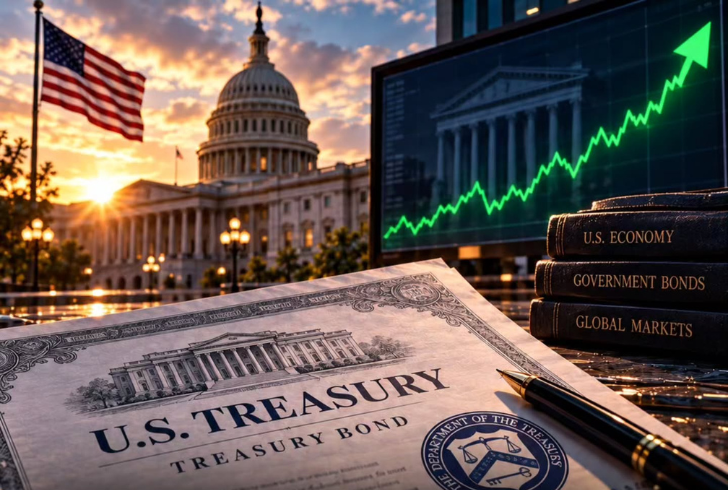
Instagram | @stockizen_research | Rising Treasury yields weighed on stocks as higher borrowing costs pushed investors to rethink high-valued technology shares.
Oil Keeps Markets Uneasy
The ongoing U.S. war with Iran has affected oil shipments through the Strait of Hormuz, adding another source of uncertainty for investors. Mediators continued efforts to help the United States and Iran reach an agreement that could end the fighting and reopen the key waterway.
U.S. President Donald Trump rejected an offer from Tehran over the weekend to reopen the Strait of Hormuz. As oil prices remain elevated, investors are watching how higher energy costs could affect inflation, household spending, and business expenses.
Energy stocks recorded some of the session’s wider declines. Exxon Mobil fell 0.7%.
Company Movers
CarMax provided one of the brighter spots in the market. Shares rose 4.7% after the used-car dealership chain reported a sharp increase in second-quarter revenue. The company also posted profits that comfortably exceeded Wall Street expectations and announced changes to its executive leadership.
Oura, which makes wearable digital health accessories and jewelry, took a different path. The company said Tuesday that it would postpone its initial public offering despite strong demand. Uncertainty in the IPO market prompted the decision.
Markets outside the United States also showed caution. European markets finished mixed, while Asian markets ended mostly lower.
Jobs and Consumer Confidence
Investors are also watching several major economic reports this week. These updates could give Wall Street and the Federal Reserve more information about inflation, employment, and the financial pressure facing households and businesses.
The latest jobs report showed that U.S. employers posted 7.08 million job openings in August. That figure declined from July and came in below economists’ expectations. The report also showed fewer layoffs and a drop in the number of workers leaving their jobs.
The labor market has remained resilient despite persistent inflation. A broader picture will arrive Friday when the U.S. releases its September employment report.
Consumer confidence has weakened at the same time. The Conference Board reported that confidence fell in September to its lowest level in 12 years. Higher prices for items ranging from gasoline to clothing have put additional pressure on household budgets.
“Americans feel jobs are more scarce and are pulling back on plans for homes, cars, and big-ticket purchases, emitting a warning sign for holiday spending even though layoffs data show employers aren’t yet cutting workers to match the gloom,” said Jeffrey Roach, chief economist for LPL Financial, in a research note.
Inflation Remains a Focus
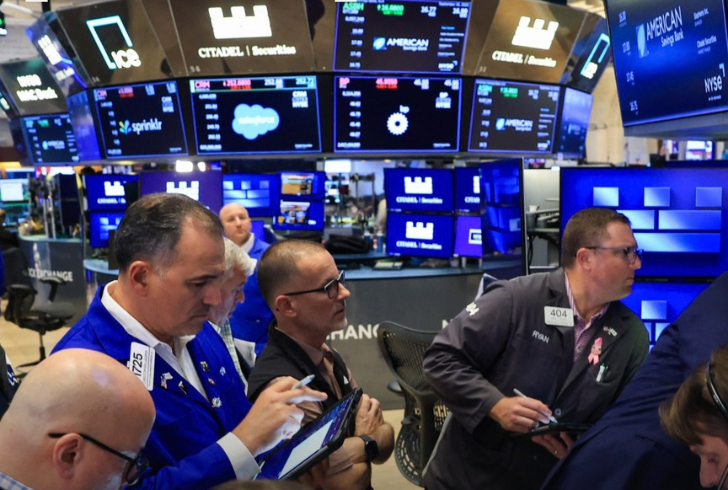
Instagram | @newsnationnow | Investors are watching inflation data and Federal Reserve rate expectations closely as markets await key economic reports.
Persistent inflation continues to influence expectations for Federal Reserve policy. Inflation has stayed above 3% for much of the year, well above the Fed’s 2% target.
Investors are waiting for the latest reading of the personal consumption expenditures index, or PCE, on Wednesday. The PCE is the Federal Reserve’s preferred inflation measure. Economists expect inflation to have reached 3.7% in August, matching July’s rate.
Wall Street expects the Federal Reserve to raise its benchmark interest rate again at its October meeting. That possibility, combined with elevated oil prices and rising Treasury yields, could keep pressure on stocks.
September Nears Its End
With only one trading day left in September, the S&P 500 is on track for a modest monthly decline after gaining 2.6% in August. Despite the recent pressure, the index remains up 12.1% for the year.
The final September trading session will give investors another chance to assess Treasury yields, oil prices, employment data, and inflation expectations. Those factors remain closely connected, making the next few market sessions important for understanding Wall Street’s direction.
Tuesday’s decline reflected a market weighing several competing signals. Strong corporate results supported individual stocks, but higher Treasury yields and expensive energy pushed investors toward caution.
With employment and inflation reports still ahead, Wall Street remains focused on whether price pressures will ease without causing a major slowdown in the U.S. economy.